The Word We Got Wrong
Somewhere along the way, resilience got tangled up with toughness. We started picturing it as gritted teeth, locked jaws, the refusal to bend. As if the goal were to become a person nothing could touch.
But anyone who has actually walked through something hard knows that wasn't how they got through. They didn't not feel it. They felt all of it. They just didn't let the feeling become the final word.
Real Resilience Is Closer to Flexibility Than Steel
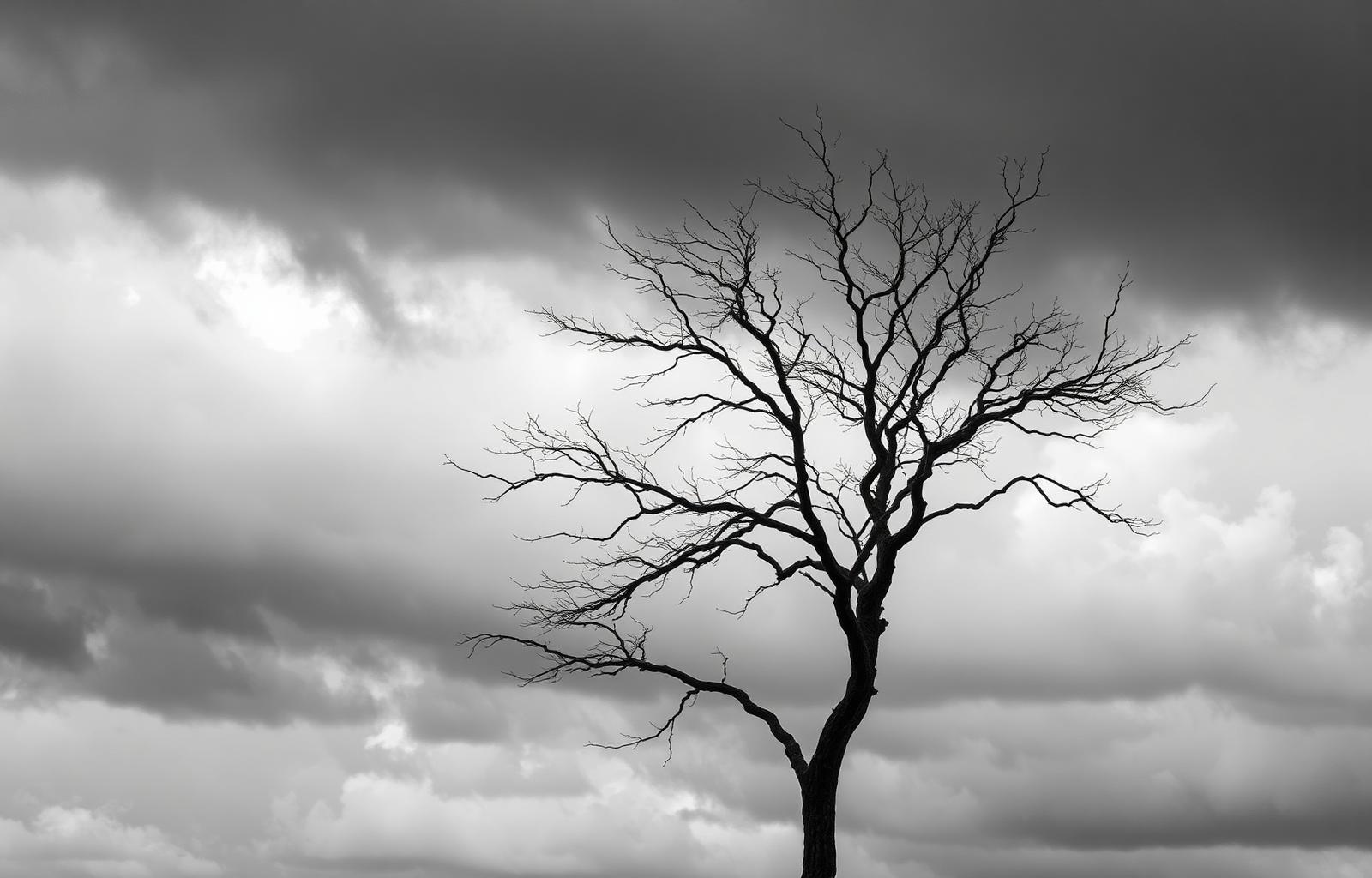
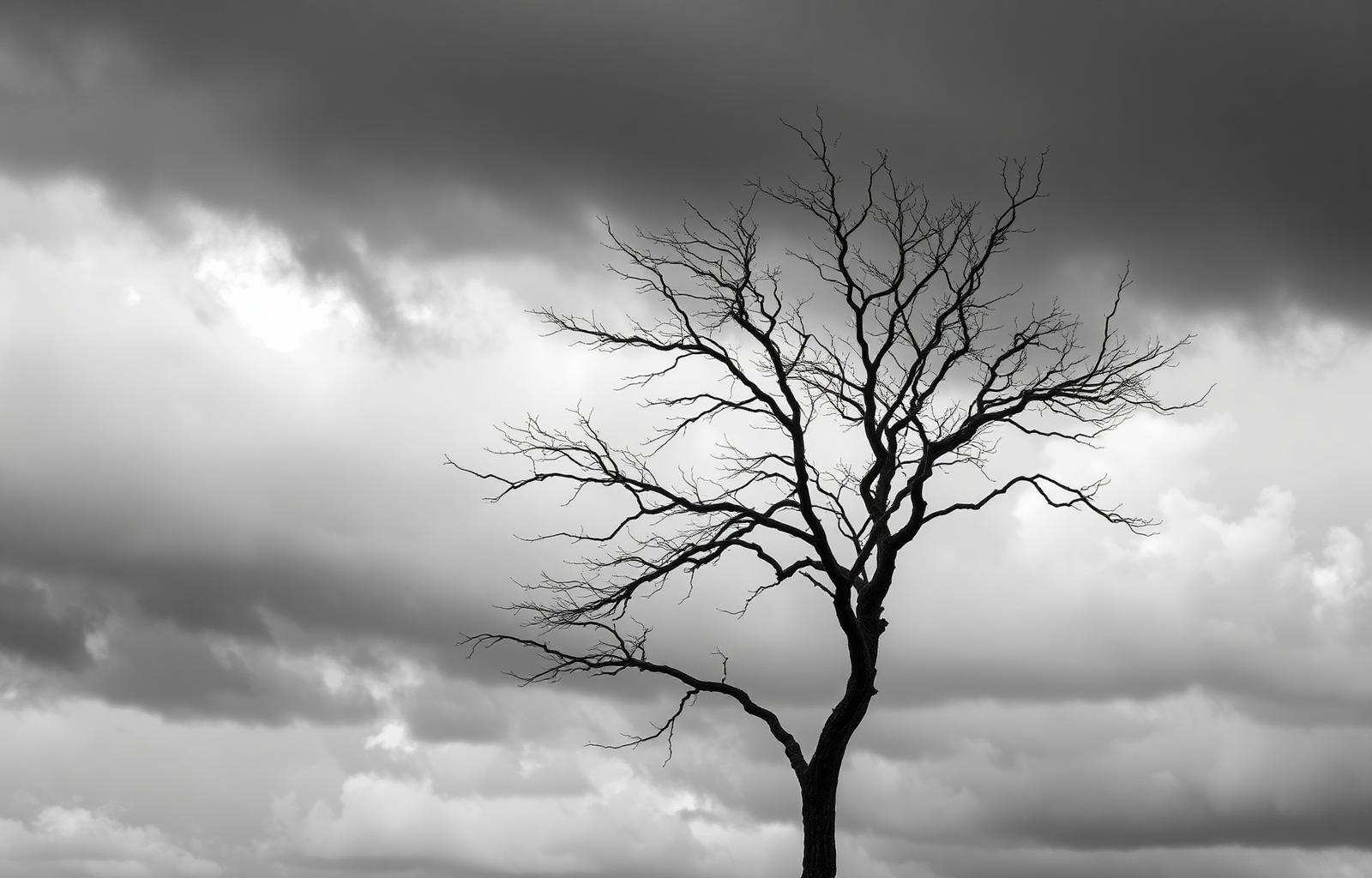
Steel doesn't bend. It breaks at a threshold. Resilient things — trees in wind, suspension bridges, well-trained athletes — move with the force, redistribute it, and come back to center. The metaphor matters because it tells you where to put your effort.
You don't build resilience by becoming unfeeling. You build it by becoming faster at returning. Faster at noticing you've been knocked off center. Faster at finding your feet again.
What Actually Builds It
1. Permission to Feel the Thing
Suppression is expensive. The energy it takes to not feel something is energy you no longer have for anything else. Letting yourself fully feel — grief, fear, anger, disappointment — is not weakness. It's the discharge that allows the next step.
2. A Small, Honest Story
The story you tell yourself about what happened is doing more work than the event itself. "This is happening to me" keeps you stuck. "This is happening and I'm responding" returns agency. The shift is one word and it changes everything.
3. The Next Right Action
Resilience rarely shows up as a grand decision. It shows up as the very next thing. Make the call. Take the walk. Open the document. Show up to the meeting. Tiny acts of forward motion are how the nervous system remembers it is not stuck.
4. People Who Can Hold You Without Fixing You
The most underrated component. You don't always need advice. Sometimes you need one person who can hear it without flinching and without rushing to wrap it up. Build that list of people. Be that person for someone else.
What It Doesn't Look Like
It doesn't look like never crying. It doesn't look like always being okay. It doesn't look like productivity through grief or smiling through fear. Performing resilience is not the same as having it, and the performance is exhausting.
Real resilience often looks slow, quiet, unglamorous. A person who sits with their pain in the morning and still answers the email in the afternoon. A person who lets the day be hard and shows up tomorrow anyway.
The Long View
Resilience isn't a trait you have or don't have. It's a relationship with difficulty that you build over time. Every hard thing you walk through — fully, honestly, without abandoning yourself — quietly raises your floor for the next one.
You won't notice the floor rising. You'll just notice, eventually, that things that used to flatten you no longer do.